Social Video for Journalists
A 6-week interactive, in-depth course on social video production
Zoom
Amid seismic audience and technological change, social video has emerged as a reliable format for meeting and engaging audiences where they are. ONA’s in-depth Social Video for Journalists course is designed for journalists and editors who want to build skills and knowledge in social video to reach receptive audiences and deliver impactful journalism.
Over six practical and interactive modules, you’ll:
- Curate your voice for video
- Write scripts for social audiences
- Dive deep into lighting, camera, and mic specs
- Learn how to edit engaging content
- Understand platform habits
- Unlock the audience feedback loop
In addition to six classes with expert trainers with combined decades of experience in social video for news, students will work on a video project throughout the course in interactive sessions and asynchronous homework assignments. After the last session, you’ll submit your video project for review from one of our instructors, who will give you constructive feedback and ideas for honing your craft.
This course is for you if:
- You’re brand-new to social video production and want to learn about social video as a way to reach new audiences
- You’re looking to up-skill or move into a role involving social video production and need a crash course, expert guidance and a starter portfolio
- You have some video experience but want to learn about developing more engaging video for social platforms
- You are already a video producer or creator and want to hone your social video skills with experts who work in this medium day in and day out
Logistics
The course will run virtually over six consecutive Mondays starting July 27, 2026. Each module will be 90 minutes, including substantial time for class interactivity. After the course begins, we’ll share instructions for submitting your final project for review by an instructor. You'll get a digital certificate of completion after completing all course materials, including the final project.
This course will be limited to a small group to allow for more interactivity and individual project reviews by instructors at the end of the course.
What you'll get
- Access to a robust resource library, including session recordings, examples, worksheets, templates, frameworks, and tools
- Structured time and expert support from instructors who have worked in newsroom, creator and freelance environments to create a social video project or sharpen an ongoing project
- A wrap-around project review from one of our stellar instructors to give you constructive and practical feedback on a new assignment developed during the course, or a selection from your portfolio
- A network of other journalists building their video skills for collaboration, support and community, during participatory course sessions and on a private Slack channel for ongoing communication during and after the course
- A digital certificate of completion after you turn in your video assignment at the end of the course
Registration Options
|
Registration Options
|
Price |
|---|---|
|
Member Registration
|
$499.00 |
|
Non-Member Registration
|
$599.00 |
 Neeti Sansare Upadhye is a Narrative & Video Consultant for newsrooms and independent journalists. Previously, she managed a global video team at The Washington Post, and led video initiatives for Google, The New York Times, Brut India and NowThis. Her work has received recognition, including a staff Pulitzer Prize and Edward R. Murrow Awards. Neeti is based in the San Francisco Bay Area and is dedicated to making the future of news more inclusive.
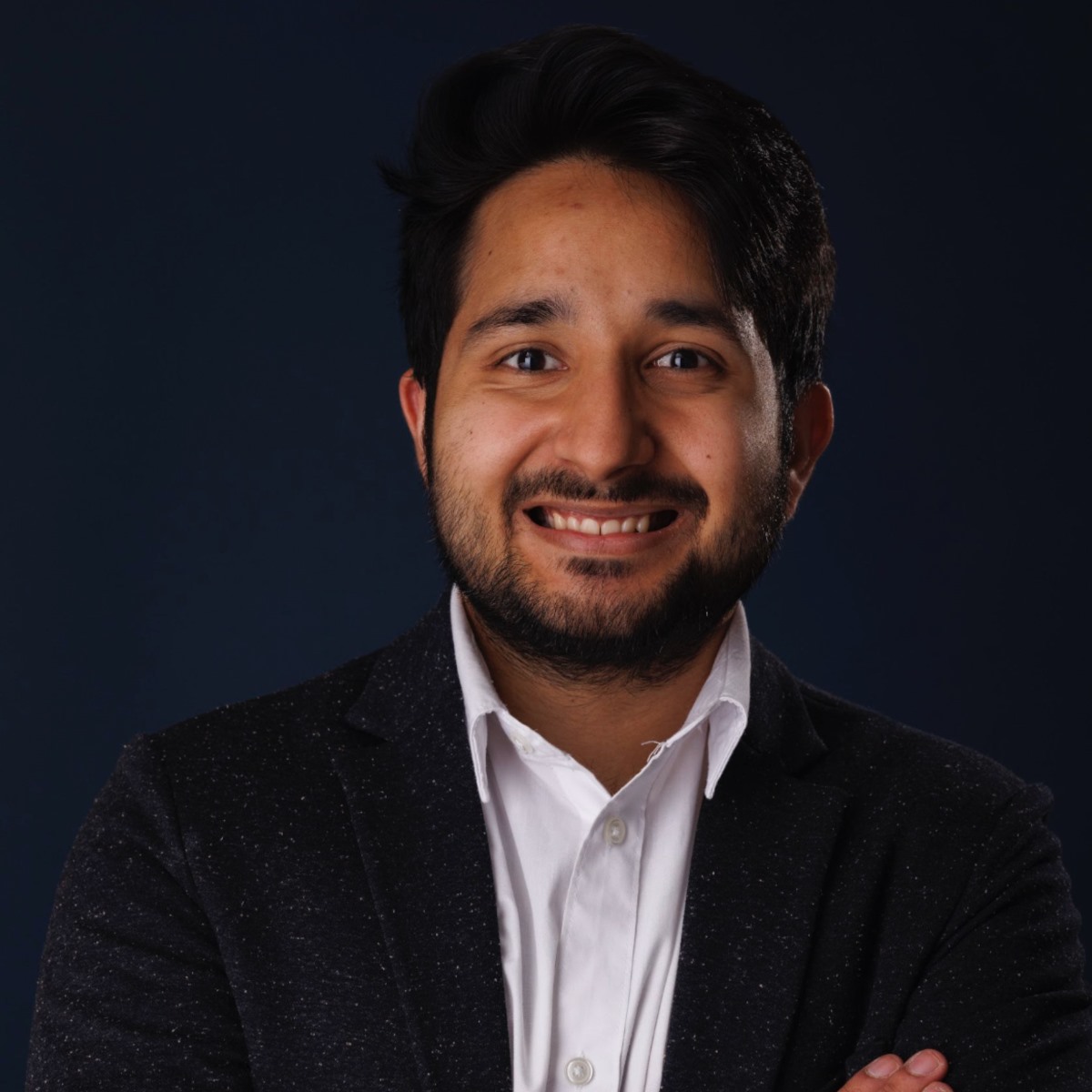 Rahim Jessani is a creator journalist and founder of Bottom Up Media. A graduate of Boston College, Rahim has worked across several newsrooms, start-ups, and nonprofits, helping guide audience engagement strategies through short-form video, live streaming, and grassroots-level marketing to reach new audiences in online “content deserts.” Rahim’s own reporting is based in Boston, where he covers marginalized communities and works alongside community members and creator journalists to elevate undercovered voices and help rebuild trust in journalism through accessible, community-driven storytelling.
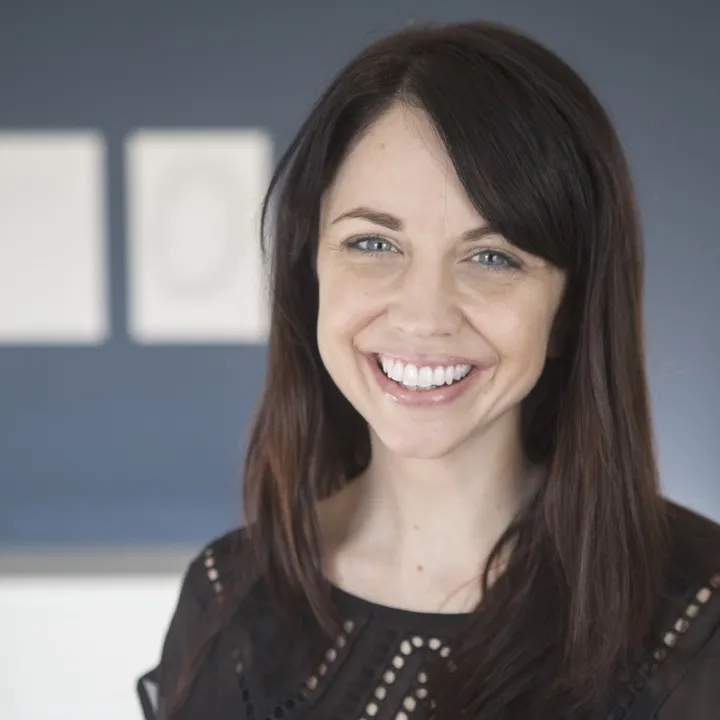 Joanie Tobin is an Emmy-winning content creator and cookie aficionado. She specializes in innovative digital video strategy and production, developing, writing, directing, producing, shooting and editing everything from short-form vertical video to news documentaries and interactive livestreams, on platforms from TikTok to Twitch and YouTube. Currently Supervising Producer for Digital Video at GBH, she produces cross-platform digital video content and advises on strategy for teams including GBH News, Antiques Roadshow, NOVA, GBH Kids and The World. Her work has been recognized by the Webbys, Shortys, New England Emmys, the Educational Writers Guild Awards and The Washington Post Peeps Diorama Contest. Credentials include an MA in international journalism, specializing in documentary making, from Cardiff University in Wales, and a BA in journalism from UNC Chapel Hill.
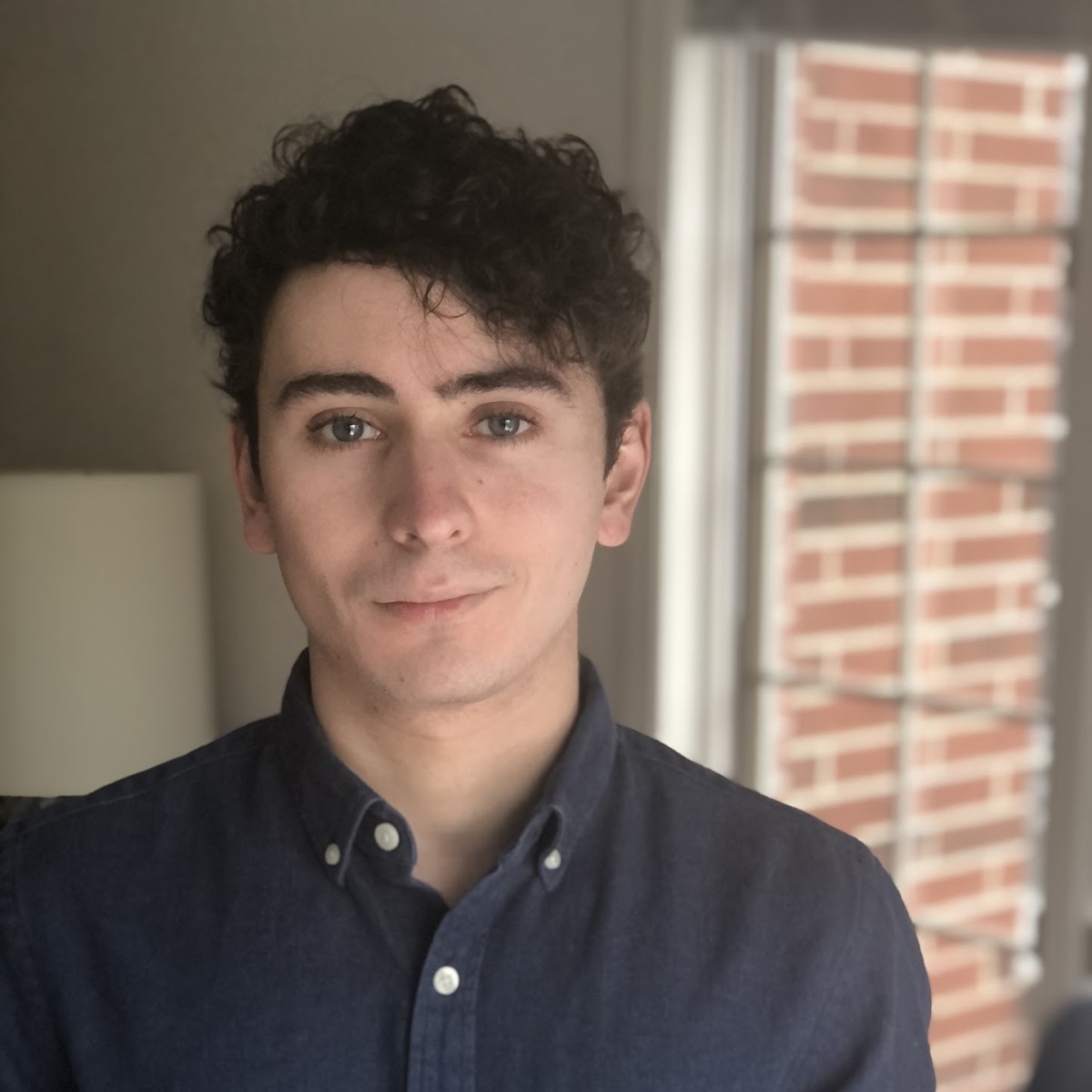 Chris Vazquez is a social video journalist and news content creator working with outlets like Mother Jones, MediaWise and Local News International. Previously, he worked at The Marshall Project and The Washington Post.
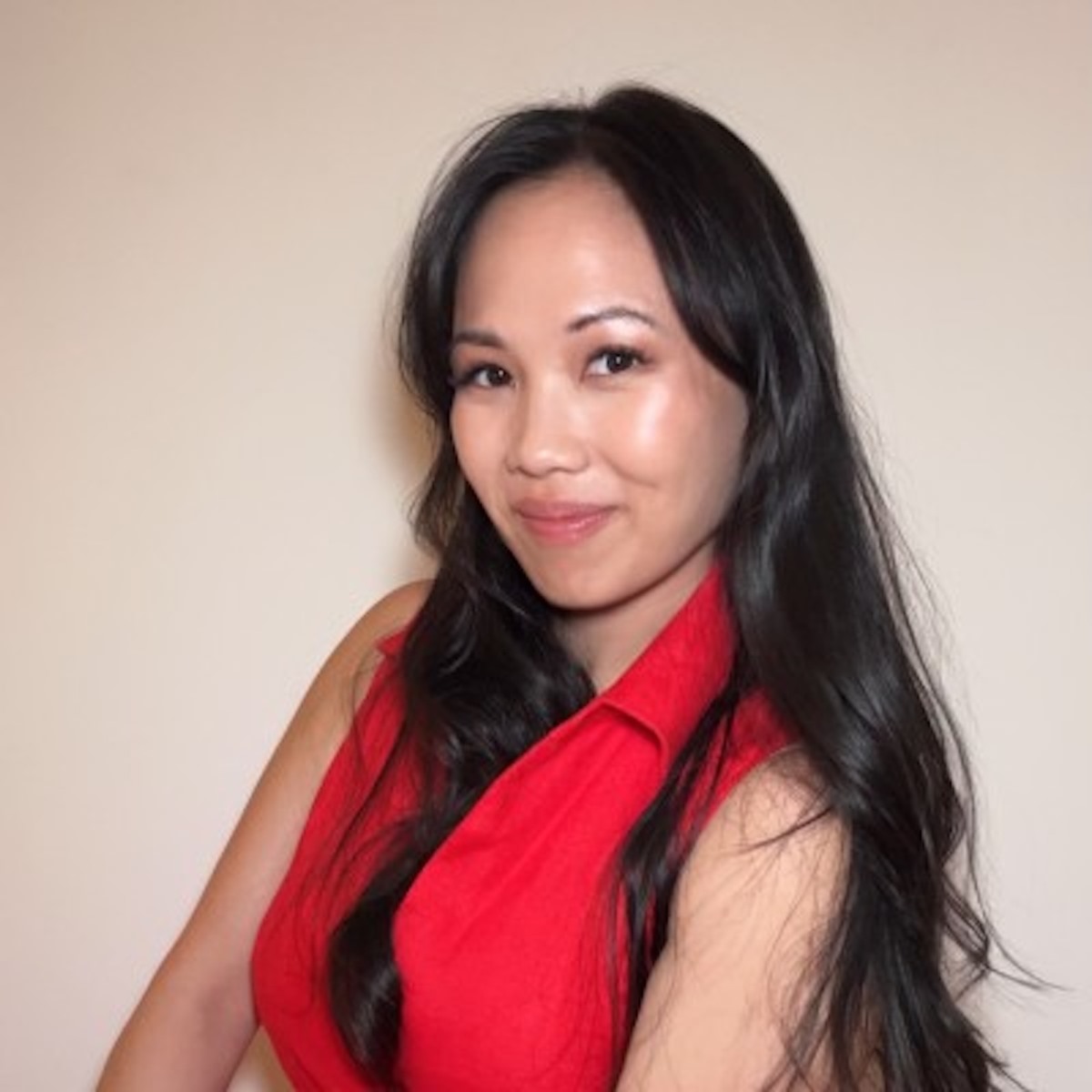 Julia Munslow is a senior editor at The Wall Street Journal, where she leads social video strategy and visual storytelling across TikTok, LinkedIn, and Instagram, shaping how the newsroom reaches audiences through platform-native formats and the broader creator economy. Her work involves hosting and producing social videos that cover a wide range of topics—from business news and careers to exclusive interviews with influential industry leaders.
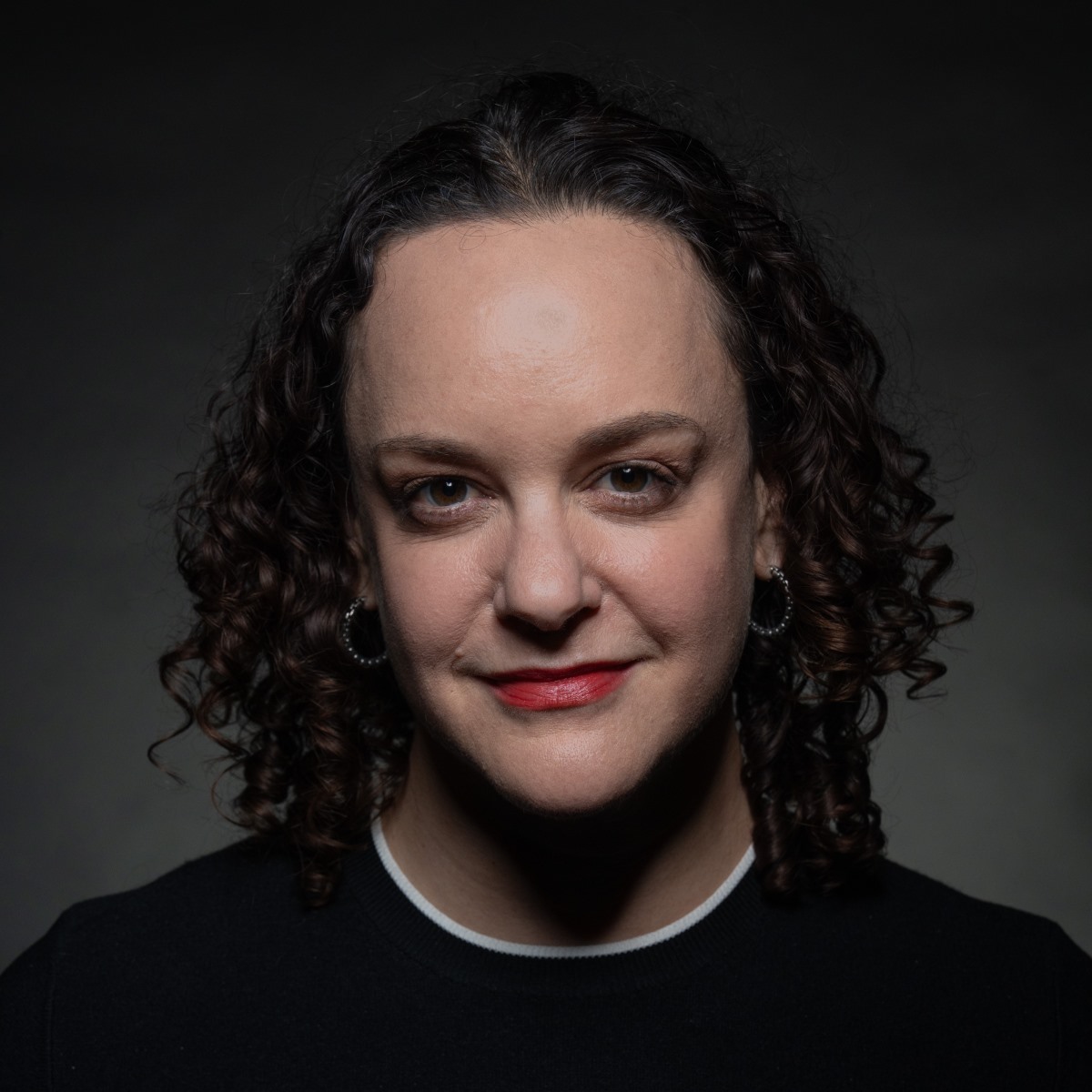 Lauren Saks is a co-founder of LNI Media, formerly Deputy Head of Video at The Washington Post, overseeing The Washington Post Universe team on TikTok and YouTube, live coverage, and a team of on-camera reporters and producers delivering breaking news and video-on-demand formats across platforms. Before joining The Post in 2018, Lauren spent a decade at PBS, forming their Digital Studios, developing and producing digital video series, and overseeing talent and audience growth strategies. She began her career at The Smithsonian Photography Initiative, a project aimed at digitizing the vast photo collections across the Institution, giving anyone with an internet connection access.
 Micah Gelman is a media executive with more than 25-years experience in online video and cable and broadcast television. He is CEO and a co-founder of Local News International, the new online home of Dave Jorgenson. For the last decade, Micah was Head of Video for The Washington Post, where he is responsible for all editorial and business functions. Micah led a 75-person team publishing long and short-form video. He created Washington Post Universe, the open-source based Visual Investigations team and the live video team. Before The Post he led Digital Video Strategy for Discovery Networks, where he built the first version of DiscoveryGO and led The AP’s Online Video Network. He’s a multiple Pulitzer Prize, Emmy, Murrow and Webby winner.
Agenda
| July 27 | |
| 12:00 PM - 1:30 PM | Week 1: Introducing Social Video, with Neeti Upadhye Social video has transformed how people discover, consume, and engage with news. Its rise has been fueled by changing audience habits, the growth of independent creators, and the increasing accessibility of professional-quality production tools. This module will explore how we got here, why social video is a powerful tool for journalism, and how students can leverage these skills to grow their storytelling and audience reach. |
| August 3 | |
| 12:00 PM - 1:30 PM | Week 2: Developing Stories for Social Video, with Rahim Jessani Successful social videos require a well-developed sense of self, strong news judgment, and deep connectivity with a prospective audience. This module will help students understand the importance of sourcing stories that matter to them, building on their individuality, establishing expertise, and delivering video work that is topical, timely, and valuable for audiences. |
| August 10 | |
| 12:00 PM - 1:30 PM | Week 3: Scripting Social Video, with Joanie Tobin Building an audience around social video requires understanding the nuances of social video storytelling: how to craft thumb-stopping hooks, communicate authentically and share stories that make viewers feel something. Social scripting is a unique and valuable skill, and this module will help creators translate their storytelling experience for this new format to make compelling social video audiences will watch and engage with. |
| August 17 | |
| 12:00 PM - 1:30 PM | Week 4: Filming Social Video, with Chris Vazquez For social creators, knowing what you want your video to look like and achieving it can be half the battle. Seemingly small choices, from how you frame and light your shots to what tech and settings you use while recording, can lead to widely divergent final products. This module will give students the information they need to make strong, informed decisions about how they would like their videos to look and sound. |
| August 24 | |
| 12:00 PM - 1:30 PM | Week 5: Editing Social Video, with Julia Munslow Too often an afterthought, video editing is an essential component of social video and the perfect mechanism for managing pace, establishing tone, and building tension. This module will provide students with important intel on editing software options, as well as strong grounding in transitions, storyboarding, voice overs, sound synch, music licensing, and motion graphics. |
| August 25 | |
| 12:00 PM - 1:30 PM | Bonus Session: Best Practices on TikTok Whether you've never opened the app or you're already a TikTok power user, this session is for you. The TikTok Creator team will walk attendees through everything you need to know to create high quality content on the platform, from the latest features to content strategies. You'll leave with actionable skills to reach new audiences and tell stories in formats built for today's readers and viewers. This module is sponsored by TikTok. |
| August 31 | |
| 12:00 PM - 1:30 PM | Week 6: Publishing Social Video, with Lauren Saks and Micah Gelman Selecting which platforms on which to publish is among the most important decisions video creators make, and this module will walk students through their options, as well as covering risk assessments, legal exposure, likeness rights and brand management, and providing a grounding in audience engagement, including how to measure engagement and sentiment. |
This course is now sold out! However, you can add your name to the waitlist using this short form, and we'll notify you next time we offer this course.